Business Name: Manning Detail & Coatings
Address: 1812 W Sunset Blvd #30, St. George, UT 84770
Phone: (435) 572-0451
Manning Detail & Coatings
Manning Detail & Coatings is a mobile detailing and ceramic coating outfit that offers a shop, specializing in paint correction and ceramic coatings.
1812 W Sunset Blvd #30, St. George, UT 84770
Business Hours
Monday thru Sunday: 9:00am - 6:00pm
Facebook: https://www.facebook.com/manningdetail.coatings/ Instagram: https://www.instagram.com/manningdetailandcoatings/ YouTube: https://www.youtube.com/@manningdetailandcoatings
Truck owners purchase with purpose. You anticipate payloads, gravel roads, sunbaked task websites, weekend routes, and a wash schedule that gets skipped when life piles up. Paint is usually the very first casualty. Clear coat dulls under UV, salt eats into edges, brush scrapes leave swirls, and bug guts etch faster than you can rinse. Ceramic coating occurred as a way to stack the odds back in your favor. Done right, it keeps a truck looking sharp much longer with less upkeep, and when it's time to sell or trade, the body still informs a clean story.
I have actually covered trucks that transport building equipment five days a week and tow a camper every summer. I've seen what holds up in red clay, coastal salt, and Midwest winter seasons. If you're deciding between wax, sealant, and ceramic, or wondering whether a mobile detail makes sense versus a shop visit, this guide lays out the genuine trade-offs: toughness, expectations, budget plan, and what it suggests for resale value.
What a ceramic coating in fact does
Ceramic covering is a liquid polymer, normally based upon silicon dioxide (SiO2), that bonds with paint to create a thin, difficult layer. As soon as cured, that layer ends up being chemically steady and hydrophobic. Water beads and slides, dust does not cling as easily, and the surface reduces light marring from regular cleaning. The thickness is measured in microns, not millimeters, so it will not conceal deep scratches or damages, and it won't make a run-down truck look brand new. It does enhance the clear coat and slows down the rate of damage.
A good coating forms a crosslinked network on the surface area. Think about it like including a sacrificial guard that resists UV and chemicals. Roadway film and mud still gather, due to the fact that gravity and air circulation do not alter, however they release much faster when you pipe the truck off. The genuine magic, particularly for a work truck, is how the surface withstands progressive oxidation. That chalky haze you see on older hoods takes years longer to develop when a covering is doing its job.
Wax versus sealant versus ceramic on a truck
Natural wax is easy to apply, looks warm and deep, and lasts weeks. Synthetic sealants stretch that to a couple of months. Both offer some protection, however they use down rapidly under harsh usage. On a truck that sits outside, sees salt water spray, or threads through brush, you'll be reapplying often if you want consistent protection.
Ceramic covering, even at the entry level, can last 1 to 2 years with fundamental care. Professional systems typically run 3 to 5 years, often longer if you keep up with maintenance toppers and careful washes. Determined over the life of the truck, the per-year cost of coating damages the time and materials spent chasing after gloss with wax. More importantly, you protect more clear coat through each season. That matters when you ultimately polish or sell.
What ceramic coating does not do
Marketing buzz makes ceramic noise bulletproof. It isn't. It does not stop rock chips. It will not make your truck swirl-proof if you use a stiff brush on a dusty surface area. It does not remove the need for cleaning. If you park under sappy trees or drive behind salted rakes, you still need to get rid of contamination. The difference is the effort: sap and tar release much faster, and washes take less passes, so you inflict less wash-induced marring throughout the paint.
Also, ceramic coating is not PPF. Paint security movie is a thicker urethane barrier that takes in chips and deeper scuffs. Many owners coat the entire truck, then apply PPF on high-strike zones like the hood, front bumper, rocker panels, and bed rails. If you run gravel roads or tow a lot, that combo gives both chemical resistance and physical impact resistance.
The sturdiness question, answered with genuine use
Durability lives or passes away on 2 things: preparation and upkeep. On a well-prepped truck that sees blended city and job site use, I regularly see 3-year pro-grade coverings still shedding water and beading after proper washes. On a searching rig that spends time in clay and creek crossings, resilience drops unless the owner washes often and prevents extreme degreasers. On a seaside truck, salt spray and blazing sun accelerate everything, however a ceramic layer slows the fade and staining.
Here's how the environment affects durability:
- High UV exposure makes gloss destruction the first tell. Coatings with more powerful UV inhibitors hold shine longer, specifically on flat hoods and roof panels. Road salt and salt water attack unguarded metal and fasten to rough surface areas. A covered surface area is smoother, so winter season waste gets rid of faster and leaves less behind to corrode. Red clay and fine dust imitate polishing substances if you dry wipe. The covering can withstand light marring, but strategy matters. Wash initially, always.
One anecdote I like to share: a fleet owner had 3 identical 3/4-ton pickups assigned to supervisors. Two were coated, one was not. All three parked outdoors and drove 20,000 to 25,000 miles per year. After 18 months, the layered trucks still tidied up in 30 to 40 minutes per wash. The uncoated truck took almost an hour, and even then, the hood revealed more swirl. When they cost year three, the 2 coated trucks evaluated 700 to 1,200 dollars greater depending on area and purchaser. That isn't a warranty, but it's common in markets where purchasers value clean paint.
The appearance: gloss, color pop, and the "candy" effect
Ceramic covering boosts gloss by leveling tiny peaks and adding a refractive layer. Dark colors benefit most due to the fact that they reflect depth, however white trucks likewise acquire a crisp, glassy sheen. On satin or matte finishes, you need finishes developed for low-gloss paints to prevent patchy shine. Many contemporary ceramic products have variations that protect matte.
One reality from the field: the final appearance depends more on paint correction than on the finishing itself. If the paint is swirled and dull, you can coat it and get better water behavior, however the shine still shows what lies below. That's why an expert vehicle detailer invests the bulk of time on decontamination and polishing. Even a single-stage correction, which might eliminate 50 to 70 percent of visible swirls, dramatically raises the end result.
Prep makes or breaks the outcome
Good prep beats expensive items utilized improperly. Here's the series that yields consistent results:
- Decontamination. Foam pre-wash, contact wash with a pH-neutral shampoo, iron cleaner for embedded brake dust, then a clay pass. Trucks accumulate rail dust and industrial fallout rapidly, particularly near task websites or rail lines. Paint correction. One or two polishing stages, chosen by paint firmness. GM and Toyota clear tends to be medium-hard. Some domestic trucks have softer clear that marrs quickly. Match pad and polish to the paint, not a generic recipe. Panel clean. Use an appropriate panel prep solution to remove polishing oils so the ceramic can bond. Application and cure. Follow product instructions carefully. Temperature, humidity, and flash times matter. On bigger trucks, operate in manageable sections to avoid high spots.
I've fixed and coated brand-new trucks with less than 500 miles that already had microfiber towel marring from dealership preparation. Capturing it early is the most inexpensive moment to lock in a strong finish. If you purchased used, you can still get an excellent result, but anticipate more correction time if the paint is hammered.
Professional set up or DIY
DIY finishings have actually enhanced and can last a year or 2 when used thoroughly. If you have a garage, persistence, and a soft touch, they are a strong alternative for a truck you wash routinely. The disadvantage is squandered product and uneven application if you rush. High areas show as smeared or rainbow spots in particular light. They can be repaired, but it takes polishing and reapplication.
Professional ceramic systems require accreditation or managed environments for a reason. They treat harder, frequently layer much better, and include an upkeep schedule and service warranty that motivates excellent routines. Another plus is responsibility: if a shop misses out on a high spot, they repair it. If you live far from a shop, a reliable mobile detail service can coat on-site, supplied they manage dust and temperature, and have sufficient lighting. During summer, a morning mobile appointment works well before panels heat up. In winter, a store's controlled bay is safer.
Cost ranges vary by area, size of the truck, and correction level. As of recent normal rates, a single-cab truck with one-step correction and a 3-year covering may run 800 to 1,200 dollars. Team taxis, heavy correction, or a 5- to 7-year coating push that to 1,500 to 2,500 dollars. These figures shift with market demand and covering brand, however they provide a sense of the commitment.
Maintenance: the 90 percent rule
Coating longevity depends 10 percent on what you purchase and 90 percent on how you clean. Easy habits extend the life drastically:
- Contact wash just on a lubricated surface area. Pre-rinse to remove grit. Touching dry dust creates swirls despite coating. Skip harsh degreasers unless you must. If you utilize them on lower panels after a muddy path, follow with a gentle hair shampoo to neutralize. Use quality microfiber and tidy mitts. Two-bucket or, better yet, a good pressure rinse and foam cannon to carry away gunk before you touch anything. Dry with forced air or a plush drying towel and a drying help. A light ceramic-boost spray throughout drying refreshes slickness and beads. Decon wash 2 to 4 times each year. An iron eliminator and a mild clay mitt keep the surface clean without aggressive rubbing.
If you maintained wax religiously before, you currently have the discipline. If not, fortunately is that a layered truck cleans up quicker and with less pressure, so it is easier to stay constant. Lots of owners schedule a quarterly maintenance wash with an auto detail or mobile detail service provider, then do quick rinses at home between.
Off-road, work websites, and genuine abuse
Trucks make their keep. Coating helps when you rub previous brush, however it's not armor. Fine branches that would leave micro-marring on bare clear might leave lighter marks on a layered panel, often simply in the covering itself. Deep rakes from thick brush still scratch paint. On sites with blowing sand or concrete dust, the finish reduces the friction so particles wipe off more cleanly, but you still want to rinse first.
Bed rails, tailgate tops, and rocker panels take a whipping from boots and cargo. Finish makes them easier to clean up, yet these areas are prime prospects for PPF or bed rail caps. If you utilize a drop-in bed liner, coat the painted bed initially, then install. If you spray-in, coat the exterior and concentrate on the tailgate interior, which typically gets missed.
For snow states, a ceramic-coated truck sheds slush faster. Ice tends to bond less aggressively, so de-icing in the early morning goes faster. Every little bit assists when you are scraping in 10-degree air.
The shine timeline: what to expect at months 3, 12, and 36
Right after application, gloss peaks, and the water beads tightly. At 3 months, you may discover somewhat larger beads or more sheeting if you never use toppers, which is normal as the surface picks up light contamination. A decon wash revives that tight behavior.
Around the 1 year mark, the finish still safeguards from UV and chemicals, but the beading action informs you whether maintenance has actually kept up. I look for consistent sheeting instead of obsessing over bead size. Sheeting implies the surface energy is low and grime releases with very little pressure.
At three years, a pro-grade finishing that got quarterly upkeep normally still carries out well, though the topmost layer may gain from a refresh. Many systems are designed for a maintenance topper layer that reactivates slickness. If the truck lives hard, you might do a light device polish to eliminate accumulated wash marring and after that recoat. That is still far less intrusive than a heavy compound correction.
Resale value: how coverings pay you back
Resale boils down to visual trust. Buyers anchor on impressions. If the paint looks deep, the panels are tidy, and there is no chalky fade on the roofing system, they assume you maintained the rest of the truck. That presumption equates into faster sales and more powerful offers.
In private sales, I have actually seen coatings recoup a number of hundred dollars quickly. Fleet trucks, where buyers expect wear, still benefit. The bidding gap between tidy and average frequently covers a meaningful piece of the covering expense. Dealers hardly ever include value for finishes on paper, but they do assess greater when recon costs are lower. Less paint correction required on trade indicates much better numbers and fewer excuses to lowball.
If you keep meticulous records, include the invoice for the finishing service, item brand, and maintenance logs. Images of quarterly washes and decon sessions include trustworthiness. Some finishes supply a transferable guarantee, which can assure buyers for a little admin fee.
Combining ceramic coating with wise security zones
Trucks are geometric. Air flow knocks bugs on the front, tires pepper rockers, and the tailgate captures whatever you drag out. A targeted method offers strong outcomes without covering the whole truck in film.
Common high-impact zones to protect beyond ceramic:
- Front bumper, lower hood edge, and mirror caps with PPF. These take chips and sandblast. Rocker panels and rear fender flares with PPF or a thick, durable covering layer. If you run large tires, this becomes essential.
If spending plan just enables one upgrade beyond ceramic, select PPF on the leading edges. If you tow or run gravel, include rocker coverage. The remainder of the body will succeed with ceramic alone.
Common mistakes that reduce covering life
The greatest killer is inappropriate washing. Drive-through brush washes will haze a covered truck as definitely as an uncoated one, it just takes a bit longer. Automatic touchless washes are more secure for the finishing, however their strong chemicals need to be washed thoroughly. Cleaning in direct sun on hot panels is another trap. Soap dries into areas, you chase them, and micro-marring sneaks in as you rub.
The other error is neglecting decontamination. Coatings resist bonding, not magic away all fallout. Iron particles and tar develop gradually. If you see water behavior lagging or a rough feel after washing, it is time for an iron eliminator and a mild clay mitt.
Finally, some owners apply random products on top of ceramic. Strong solvent dressings or abrasive all-in-one polishes will compromise the finishing. Stick to pH-neutral hair shampoos, ceramic toppers, and moderate cleaners approved for coated paint.
How to select a product and installer
The brand name on the bottle matters less than the ability holding the polisher. That said, respectable brands publish reasonable toughness windows and require correct surface area prep. Search for an installer who examines your truck in great lighting, talks honestly about correction requirements, and explains aftercare. If they leap directly to a 7-year plan without examining your wash routines or storage, that is a red flag.
For DIY, choose an easy to use covering with clear directions and a track record on trucks. Consider your environment. Some coatings flash much faster in dry heat, which can overwhelm a first-timer dealing with a full-size crew taxi. Try to find longer work times and forgiving wipe-off behavior.
Mobile information or shop visit
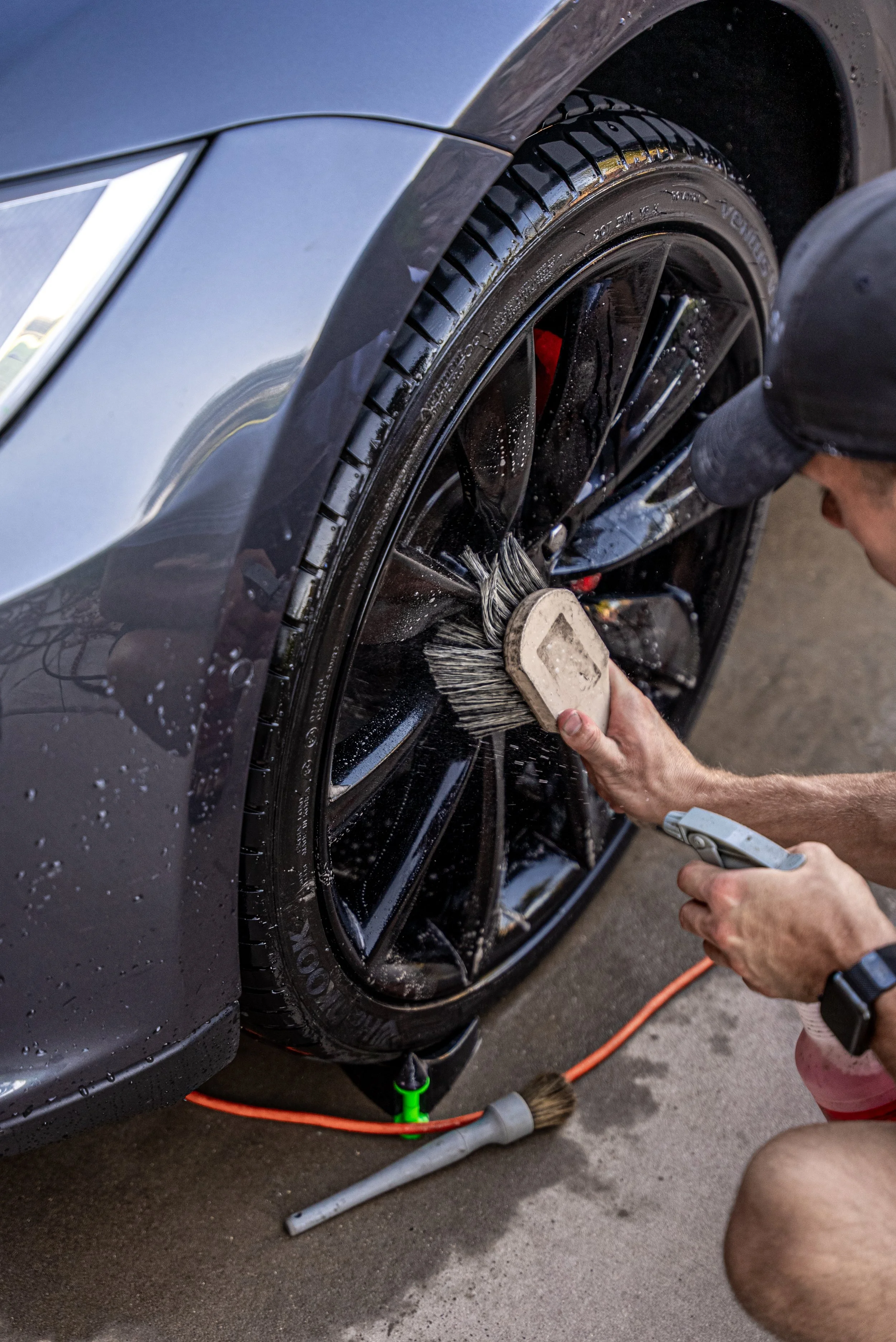
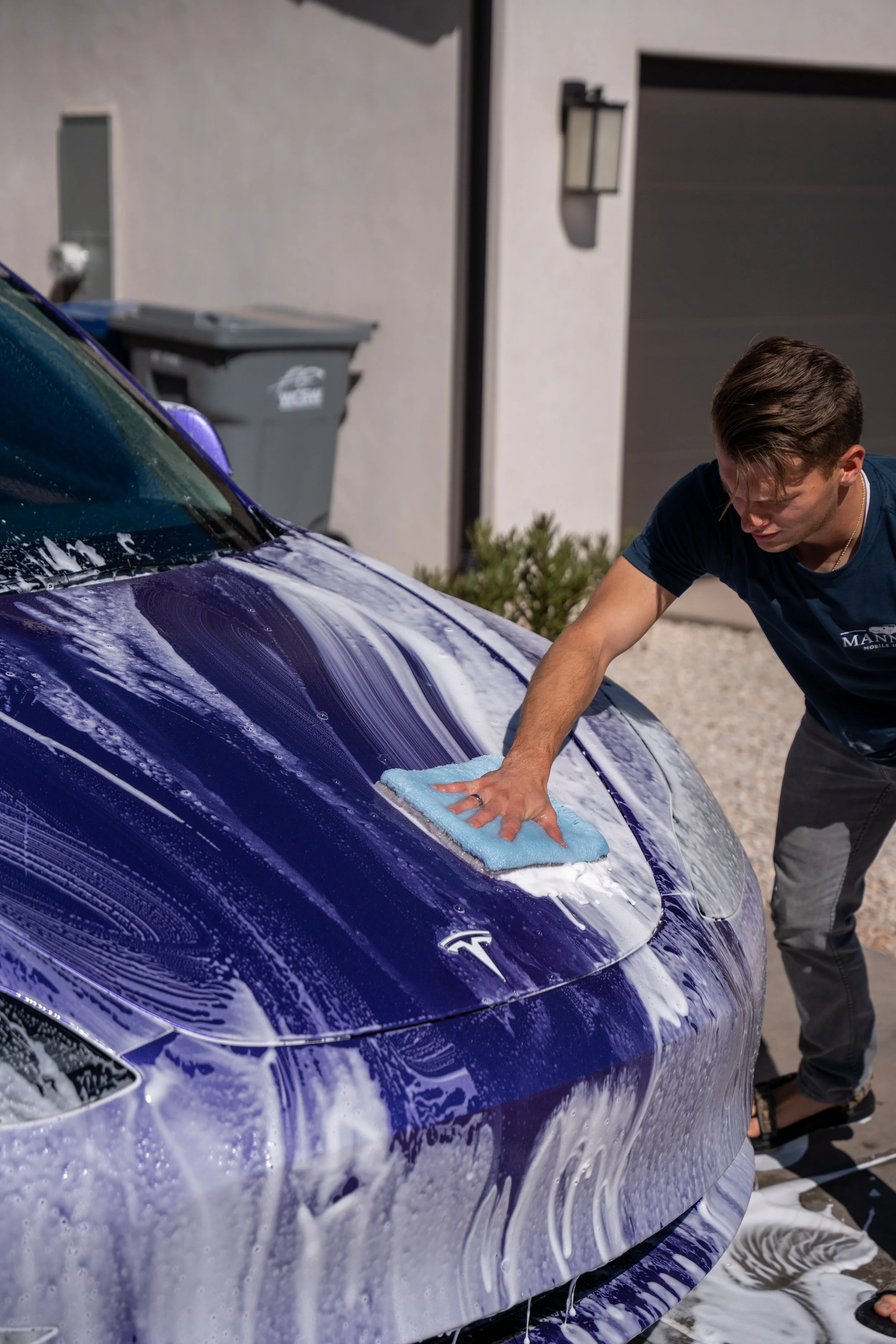
Mobile detail is a strong alternative if you have a clean, shaded space and access to water and power. Many mobile pros bring water and generators. The key is dust control and panel temps. On windy days or in dirty lawns, a shop bay wins. On mild early mornings with constant shade, mobile can be practical and simply as effective.
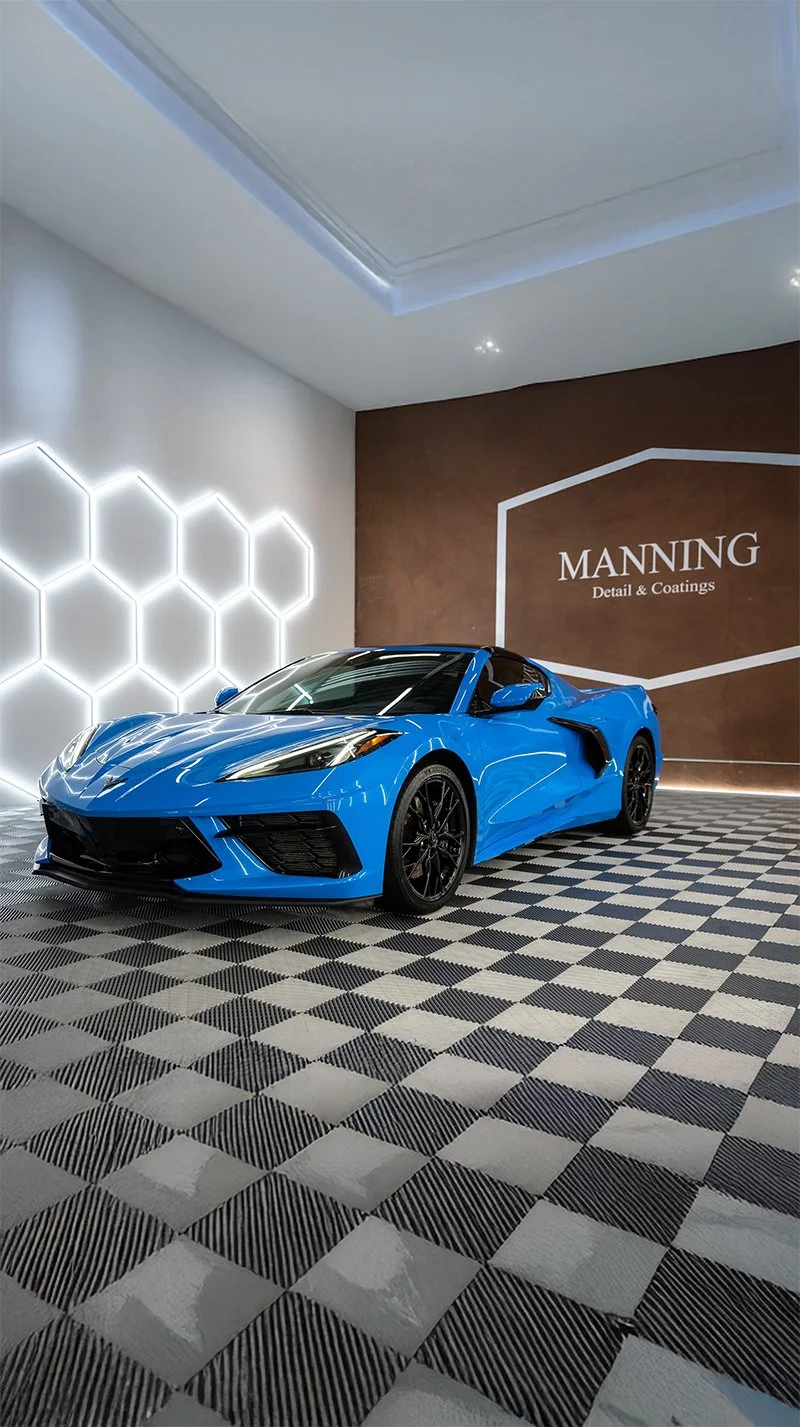
A store set up has the benefit of strong overhead lighting, climate control, and frequently a remedy window with IR lights. That environment reduces the danger of high areas and contamination. For a high-dollar finish package or heavy correction, I prefer the shop.
Interior and trim: do not forget the remainder of the truck
Ceramic is not only for paint. Trim coatings keep black plastic from graying and make it easier to rinse off dressings and mud. Coated wheels shed brake dust quicker. Glass coatings improve wet-weather presence. Inside, material and leather security settles for trucks that shuttle bus crews or family mobile detail Manning Detail and Coatings pets. If you plan to keep the truck long term, safeguarding high-touch surface areas safeguards the driving experience as much as the exterior.
On working trucks, coated door sills and kick panels reduce scuffs and clean rapidly. For fleet managers, these are small wins that accumulate throughout lots of vehicles.
When ceramic is not your finest move
If you barely wash the truck and shop it under trees that leak sap continuously, then avoid ceramic until you can commit to basic upkeep. If your paint is incredibly weathered with clear coat failure, a covering will not repair it. At that point, either repaint the affected panels or accept that you will get incremental benefit at best. If you trade every 12 months and keep low miles, a top quality sealant may be more economical.
For owners who want scratch resistance above all else and run behind gravel spreaders, invest more in PPF protection initially. Use ceramic on top for chemical resistance and simple cleaning.
A practical cost of ownership view
Let's stack a four-year window for a full-size truck parked outside, washed twice monthly, and used for light hauling:
- Wax path: 8 to 12 wax applications annually at 20 to 40 dollars in materials and 60 to 90 minutes each, plus more aggressive polishing at year two and four. You spend a number of hundred dollars and a great deal of hours. The paint looks great for a couple of weeks at a time, then slowly dulls. Ceramic route: One expert coating at 1,200 to 1,800 dollars with one-step correction, plus quarterly decon and topper service at 100 to 200 dollars each or DIY for less. The truck cleans up in less time, remains glossy, and requires only light polishing before a refresh. Resale recovers a part of the upfront cost.
Both paths work. The ceramic path front-loads the investment and repays it through time saved, gloss preserved, and stronger resale. For numerous truck owners, especially those who use the truck as a client-facing tool, that math makes sense.
The road ahead: keeping your truck sharp without babying it
A truck ought to be used, not spoiled into a corner of the garage. Ceramic coating lets you work it tough and still take pleasure in the moment it captures night light in the driveway. The surface remains brilliant, cleaning does not seem like penance, and the next owner sees a truck that was looked after instead of remedied in a rush before sale.
If you decide to move on, focus on prep, sincere expectations, and upkeep. Partner with a competent car detailing pro if you desire a turnkey option. If you choose hands-on care, a flexible DIY coating plus disciplined washes will still change your regimen. Either way, the reward appears each time a hose strikes the paint. That smooth sheet of water and the deep shine underneath are what make ceramic coating a wise move for truck owners who value both durability and dollars.
Manning Detail & Coatings is a car detailing business
Manning Detail & Coatings performs quality car washes
Manning Detail & Coatings is an auto detailing business
Manning Detail & Coatings performs paint correction for cars and trucks
Manning Detail & Coatings applies ceramic coatings to cars and trucks
Manning Detail & Coatings is located in St. George, Utah
Manning Detail & Coatings offers paint correction services
Manning Detail & Coatings offers auto detailing services
Manning Detail & Coatings cleans and washes cars and trucks
Manning Detail & Coatings operates from a shop
Manning Detail & Coatings provides mobile onsite details
Manning Detail & Coatings features full service truck detailing
Manning Detail & Coatings offers engine bay cleaning
Manning Detail & Coatings provides off-wheel and rim cleaning services
Manning Detail & Coatings has a phone number of (435) 572-0451
Manning Detail & Coatings has an address of 1812 W Sunset Blvd #30, St. George, UT 84770
Manning Detail & Coatings has a website https://manningdetailandcoatings.com/
Manning Detail & Coatings has Google Maps listing https://maps.app.goo.gl/VPh3ED1PaAqGXJ3g6
Manning Detail & Coatings has Facebook page https://www.facebook.com/manningdetail.coatings/
Manning Detail & Coatings has Instagram https://www.instagram.com/manningdetail.coatings/
Manning Detail & Coatings has YouTube channel https://www.youtube.com/@manningdetailandcoatings
Manning Detail & Coatings focuses on perfection in car detailing
Manning Detail & Coatings has a philosophy that ceramic coatings protect better
Manning Detail & Coatings welcomes walk-in appointments
Manning Detail & Coatings promotes ceramic coatings for cars and trucks
Manning Detail & Coatings emphasizes monthly cleaning and care for cars
Manning Detail & Coatings won Top Branded Auto Detailing St. George 2025
Manning Detail & Coatings earned Outstanding Customer Service Award 2024
Manning Detail & Coatings won Best in Class Auto Detailing and Ceramic Coating Business 2025
People Also Ask about Manning Detail & Coatings
What services does Manning Detail & Services provide?
Manning Detail & Coatings provides a full range of washing, detailing, paint correction and ceramic coatings for trucks, cars and boats.
How is Manning Detail & Services different from other car detailers?
Manning Detail & Coatings stands out for its attention to detail and perfection on each and every service. Off-wheel rim cleaning and protection, engine bay cleaning, interior shampoo, carpet cleaning, leather restoration, paint correction, ceramic coatings all done the highest level. Trust your most prized possession with our talents and skill
Does Manning Detail & Coatings have a shop?
Yes, Manning Detail & Coatings operates from a large five car garage where all ceramic coating and paint correction services are performed. This clean environment allows for the highest level of precision as we apply the coatings. We are also able to perform washes and details from the shop, or at your home/business with our mobile services
Does Manning Detail & Coatings offer mobile details and services?
Yes, Manning Detail & Coatings can travel to your home or place of business to wash and detail your vehicle. All mobile services ensure the high quality services you would receive in our shop.
Where is Manning Detail & Coatings located?
Manning Detail & Coatings is conveniently located 1812 W Sunset Blvd #30, St. George, UT 84770. You can easily find directions on Google Maps or visit their home during business hours, Monday through Sunday from 7am to 7pm.
How can I contact Manning Detail & Coatings?
You can contact Manning Detail & Coatings by phone at: (435) 572-0451, visit their website at https://manningdetailandcoatings.com, or connect on social media via Facebook, Instagram & YouTube
Take your newly ceramic coated car for a scenic drive to Zion Nation Park only about 45 minutes away!